






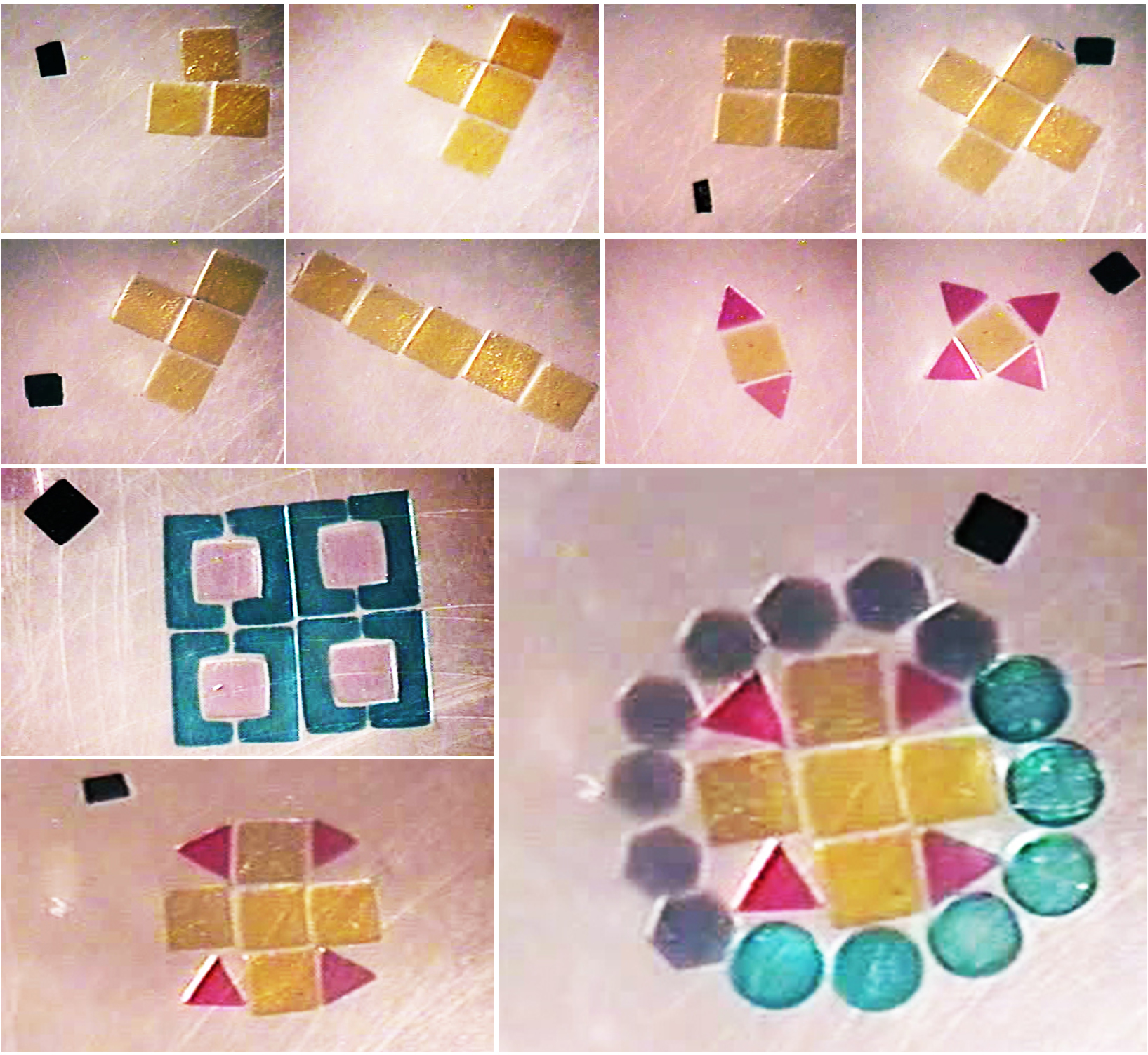
3D printed replacement organs developed by cell-building robots.
American biomedical engineers have announced a unique micro-robotic technique that they are now able to use in assembling components of complex materials, thereby bringing 3D printed replacement organs even closer to reality.
Many patients today are left on long waiting lists for life-saving treatment due to the shortage of available organs for transplantation. It is for this reason that 3D printing and tissue engineering have become of vital importance to the future of medicine. The ability to engineer organs using the cells of the patient should not only alleviate such shortages, but also address problems relating to the rejection of donated organs. With tissue engineering, researchers will be able to study cell behavior, including cancer cell resistance to therapy, as well as test new drugs or drug combinations for the treatment of numerous diseases.
Led by Savas Tasoglu, PhD in the BWH Division of Renal Medicine, scientists at Brigham and Women’s Hospital (BWH) and the Carnegie Mellon University, presented an approach that utilizes untethered magnetic micro-robotic coding for the precise construction of individual cell-encapsulating hydrogels (such as cell blocks). Remotely controlled using magnetic fields, the micro-robot is able to move one hydrogel at a time in order to build structures.
